
"blended coffee"
14000 article(s) found
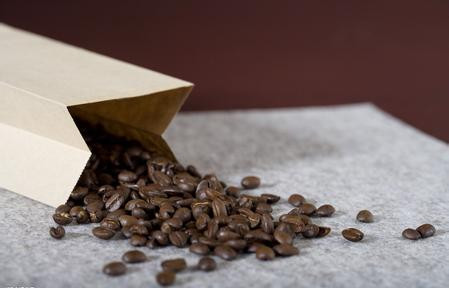
The relationship between Coffee blending and Baking Coffee Bean blending skills
Do you want to bake and then mix, or do you want to mix and bake first? Which way is better? If you have a definite recipe, of course the easiest way is to put different coffee beans together and then bake them together. But if you are trying and comparing different ingredients and proportions, you certainly want to roast all kinds of coffee beans before making various tastes.

Blending Coffee for Commercial purpose single Coffee Italian blend Coffee beans with strong Coffee unique taste
The mixture of coffee beans people need to combine coffee from different places for several different purposes. The ideal goal, of course, is to piece together a coffee that tastes better than any of them. But generally speaking, Arabica coffee from a single origin is enough to make coffee that tastes good for export; it has a delicate flavor, a soft taste and a sweet aftertaste. So you don't have to spell it.

Basic knowledge of Coffee blending introduction to Coffee blending
The main commercial purpose of blending coffee is to reduce costs and mix coffee with coffee that is not very good. In order to improve sales profits. There is also a possible purpose, that is to put together a unique taste, the unique taste of a brand. Customers who like this taste have no choice but to buy it from this factory instead of supplying it from other suppliers.
Coffee blending Commercial Coffee blending introduction to the blending of fine coffee beans
The following coffees are blended with deep-roasted flavor, good taste, and proper acidity. 1. 40% of the city-wide roasted Colombian Tuluni coffee-for better taste (it can also be other Colombian coffee, Nicaragua's La Illusion, or Brazil's Monte Carmelo coffee) 20%, 30% of the French roasted Mexican Tres

Introduction to the basic knowledge of coffee blending there are several methods of blending
The knowledge of roasting and blending of coffee is widespread, and people need to combine coffee from different places for several different purposes. The ideal goal, of course, is to piece together a coffee that tastes better than any of them. But generally speaking, Arabica coffee from a single origin is enough to make coffee that tastes good for export; it has a delicate flavor, a soft taste and a sweet aftertaste. So
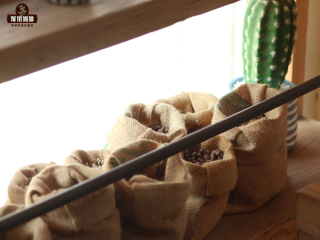
What are blended coffee beans? Italian blend coffee bean formula Italian espresso bean growing time
Although some fixed varieties of coffee can be drunk directly as individual coffee, most of the coffee has more or less defects in flavor. For example, there is no special flavor, lack of depth, not strong enough, or a certain taste is too strong. In order to make up for these deficiencies, it is necessary to have several different characteristics.
Introduction to the common sense of coffee blending the blending of coffee beans has a soft taste and a sweet aftertaste
The knowledge of roasting and blending of coffee is widespread, and people need to combine coffee from different places for several different purposes. The ideal goal, of course, is to piece together a coffee that tastes better than any of them. But generally speaking, Arabica coffee from a single origin is enough to make coffee that tastes good for export; it has a delicate flavor, a soft taste and a sweet aftertaste. So
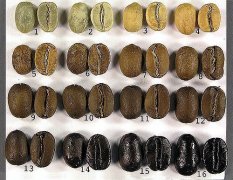
Is the mixed Italian blending of coffee beans raw or familiar?
People need to put coffee from different places together for several different purposes. First, the mixing of coffee beans people need to combine coffee from different places for several different purposes. The ideal goal, of course, is to piece together a coffee that tastes better than any of them. But generally speaking, Arabica coffee from a single place of origin is enough to make the export taste very bad.
The proportion of coffee blending formula introduction Italian coffee machine
Colombia (Metenin), Venezuela (aged coffee), Blue Mountains, Gillimanjaro, Mocha, Guatemala, Mexico, Kenya, Brazil Santos, Haiti Alcohol Colombia (Metenin), Mocha, Blue Mountains, Guatemala, Costa Rica Neutral Brazil, Galvado, low property Costa Rica Venezuela, Honduras, Cuba

Introduction of fine coffee, introduction of coffee, coffee beans, coffee, coffee.
Blending coffee is the blending of two kinds of high-quality coffee will suppress each other's unique flavor, matching should also pay attention to color, matching coffee beans also have different characteristics to reconcile an attractive taste. Although some fixed varieties of coffee can be drunk directly as individual coffee, most of the coffee has more or less defects in flavor. For example, there is no special flavor

How to blend coffee beans from multiple origins into a unique Italian coffee
Since it is a blend, it naturally refers to more than two kinds of original beans, but a special example is that the same coffee beans with different roasting degrees can be blended together, and even the new crop of the same coffee beans can be blended with aged coffee or old crop. Therefore, the type referred to in the blend is no longer a narrow coffee variety, but a broad extension to coffee.

What are blended coffee beans? What is the proportion of Italian coffee beans? Which kind of beans should be used to mix coffee beans?
Professional coffee knowledge exchange more coffee bean information please follow the coffee workshop (Wechat official account cafe_style) what is the blending of coffee beans? What is the blending ratio of Italian coffee beans? What kind of beans should I use to mix coffee beans? Since it is a blending, it naturally refers to the blending of more than two kinds of raw beans, but a special example is that the same kind of coffee beans with different roasting degrees can also be blended.

Are there any other benefits of coffee blending besides pursuing different flavors?
Since it is a blending, it naturally refers to the blending of more than two kinds of raw beans, but a special example is that the same kind of coffee beans with different roasting degrees can be matched together, or even the new crop and aged coffee or old crop of the same kind of coffee beans can be matched together, so the type referred to in the blending is no longer a coffee variety in a narrow sense, but extended to coffee in a broad sense.

Coffee Blending Coffee Blending
Before blending, we should be clear about the following points: 1. The theme of the product is to mix what kind of taste, that is, to determine the goal of blending. 2. To blend coffee, you must first understand the characteristics of each individual coffee, understand the subtle relationship between roasting and coffee flavor, and all this can only be achieved through sipping cups. 3. Determine the coffee involved in the blending
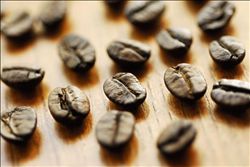
Is coffee blending required to use coffee beans with their own characteristics?
1. Blending of raw beans requires the use of coffee beans with their own characteristics, and avoid using coffee beans with similar flavor. The selection of raw beans can be considered from three aspects: the treatment method of raw beans, that is, whether raw beans are treated by washing or drying, which has a lot to do with the flavor of coffee beans. Raw bean producing area: coffee producing area is generally divided into three major regions, including Central and South America, namely Pakistan.

The definition of blending coffee how to spell the principle of blending coffee? The skill of blending coffee
Professional coffee knowledge exchange more coffee bean information please pay attention to the coffee workshop (Wechat official account cafe_style) mixed beans to stabilize two to reduce the cost of mixing coffee beans, one to maintain a stable taste balance, and the other to reduce costs. Italian coffee (espresso) on the streets of Rome is generally mixed with cheap, caffeinated robusta varieties with a thicker taste.
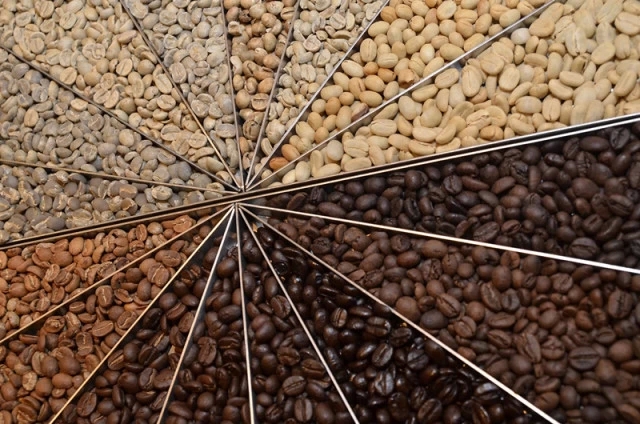
Understand the blending of coffee and explore the future trend of coffee
What is matching? Since it is a blending, it naturally refers to the blending of more than two kinds of raw beans, but it can also match the same kind of coffee beans with different roasting degrees, or even new crop and aged coffee or old crop of the same kind of coffee beans, so the type referred to in the blending is no longer a narrow coffee variety, but extends to the coffee wind in a broad sense.

Understand the blending of coffee and explore the future trend of coffee
What is matching? Since it is a blending, it naturally refers to the blending of more than two kinds of raw beans, but it can also match the same kind of coffee beans with different roasting degrees, or even new crop and aged coffee or old crop of the same kind of coffee beans, so the type referred to in the blending is no longer a narrow coffee variety, but extends to the coffee wind in a broad sense.

Italian bikini with coffee slimming coffee espresso with beans
The blending of several kinds of noodle coffee has the unique taste of deep baking, good taste, and proper sour taste. 1. 40% of the city-wide roasted Colombian Tuluni coffee-for better taste (it can also be other Colombian coffee, Nicaraguan La Illusion, or Brazilian Monte Carmelo coffee) 20% or 30% French roasted coffee
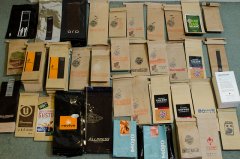
From individual coffee to blended coffee
Enjoy unlimited coffee taste, if you like coffee, you must be constantly looking for your favorite beans; if you know the flavor and characteristics of individual coffee like the back of your hand, start from individual coffee and enter the experience of the tongue tip of blended coffee.